A completed UPVC window can appear as a straightforward arrangement of frames, glass and hardware. However, the manufacturing process has undergone much change over the years to achieve that clean and tidy finish. The UPVC window manufacturers in Chennai are now employing the latest equipment, computer-aided window design systems and automated machinery to produce windows with greater precision, longevity and uniformity. This change is not just about speeding up production. Technology is also enabling manufacturers to cut down on material waste, enhance measurements, develop window fits and provide more design options for customers.
Let’s dive into this blog to explore how technology is changing the way UPVC window manufacturers make windows.
“Smarter glass choices can make windows more comfortable, efficient, and practical.”
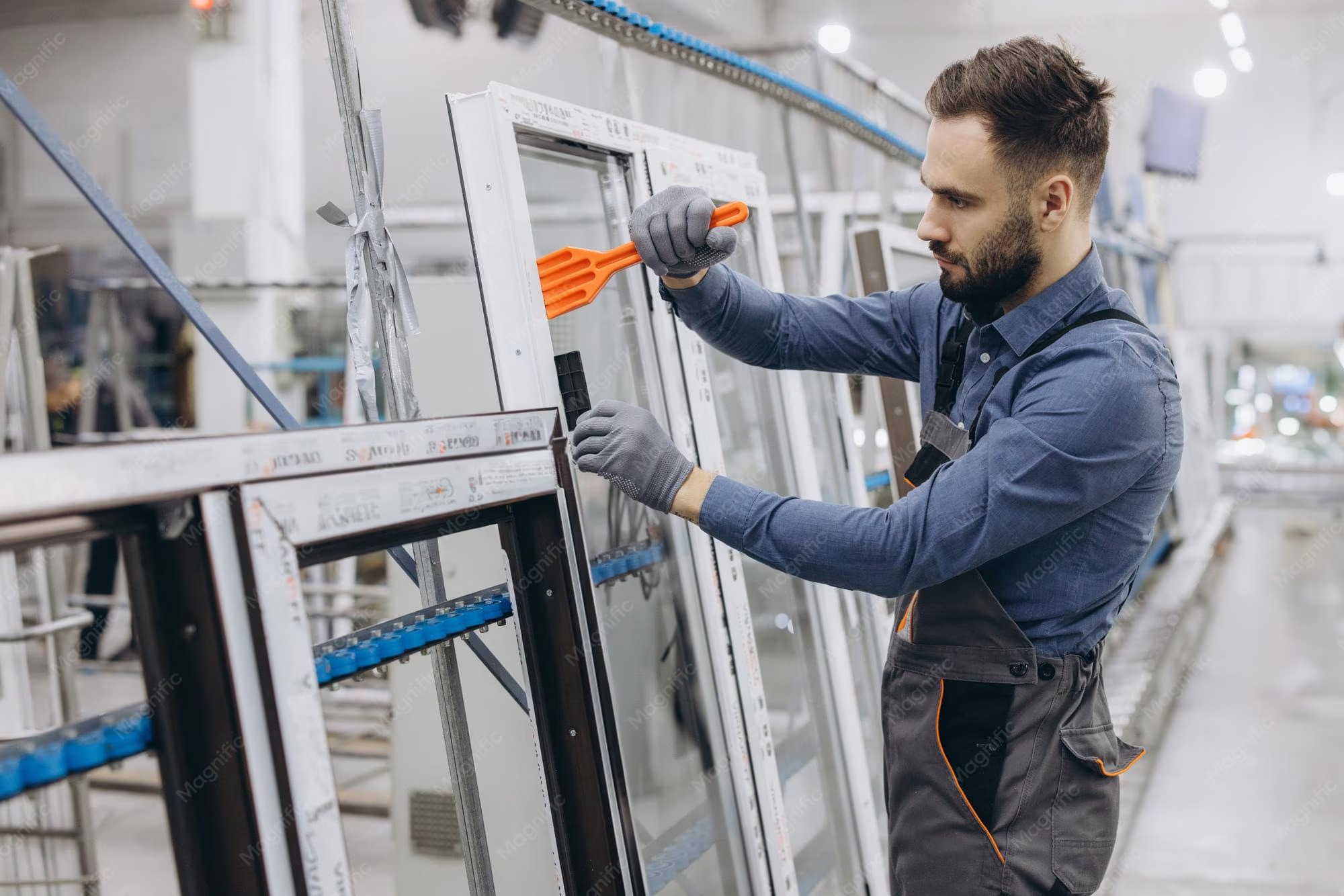
Traditional window manufacturing depended heavily on manual measurements and cutting. While skilled workers still play an important role, modern production has introduced a much higher level of precision. Computer-controlled machines can cut UPVC profiles according to exact measurements. Instead of relying entirely on manual marking, manufacturers can use digital measurements and programmed cutting systems to maintain consistency across multiple windows. This matters when a project has dozens or even hundreds of windows. A small measurement error repeated across a large order can create installation problems, material loss and unnecessary delays.
With automated cutting and machining equipment, manufacturers can maintain:
Technology has already transformed production, even before production starts. Today, window manufacturers can design windows on a computer before profile cutting and benefit from a detailed window design. Parameters such as dimensions and opener types, along with frame layouts, glass types and hardware positions, may be included in the design. It can be really handy when it comes to personalised projects. For instance, a homeowner might desire some fixed windows, some sliding windows and casement windows in various rooms in the house.
A commercial project might need dozens of windows that are a specific size. Manufacturers will no longer need to just make drawings; they can create dozens of designs whenever, and then verify them before launching into production. This enables any issues to be detected sooner. Especially where it is desirable to adapt the opening technique to the building space available, this may be done with the help of additional basic designs when planning, but not during manufacture of the materials. Digital planning also allows customers to communicate their design choices and get a glimpse of what their window will look like after it is finished.
The use of automated machinery for profile processing is one of the greatest changes that has occurred in UPVC window production. Before the joining of the UPVC profiles, it is crucial that the profiles are cut appropriately to get a frame. This can be done with great precision and accuracy by modern cutting machines. The joining of the profile sections together is the next process using advanced welding machines. The period of welding is particularly crucial during the manufacture of the frame, as it is a critical key to good frame quality; it’s part of the whole, in that respect.
Automation can be used to manage the following:
A level of control such as this will enable manufacturers to create frames with uniform corner joints and tidier finishes. It simply doesn’t indicate that the need for skilled workers has vanished. Rather, technology handles device-general activities and allows skilled technicians to keep an eye on the devices, evaluate results and make practical decisions.
Also Read This: 7 Red Flags to Watch for Before Hiring a UPVC Windows Manufacturer
Modern glass technology has created numerous styles and options for consumers that did not exist when building traditional windows. Different types of glass are used to enhance comfort, privacy, safety and energy performance depending on the type of window, purpose and location of the window.
Double glazing: Installs two panes of glass with an air gap to improve insulation and cut down on outside noise.
Toughened Glass: Heat-treated to provide stronger glass, which is appropriate for uses where extra protection is needed.
Laminated Glass: Glass layers bonded together with an interlayer that aids in retaining the glass in case of failure.
Tinted Glass: Helps to reduce glare and may provide some amount of sunlight within the room.
Low-E Glass: The products are designed to minimise heat transfer and enable natural light, which is suitable for enhancing comfort inside.
Decorative Glass: Available in different patterns and finishes when customers want more privacy or a particular visual style.
Windows are made with the use of a number of materials such as UPVC profiles, reinforcement, glass, seals and hardware. If a plan is not the best, then one can cut to the wrong waste or wind up with the wrong components. A production system in the form of digital tools can facilitate manufacturers in creating the necessary materials more efficiently. For example, cutting optimisation software can help determine how to optimise profiles to be cut from longer lengths to make sure that there is no leftover material that is not required.
With large projects, even small instances of waste reduction make a big difference for a manufacturer. Productivity can also be improved via automation of production schedules. Manufacturers can now monitor orders and the requirements for the production process in a digital way instead of doing it in the manual way. In association with this, it can provide some coordination in profile cutting, welding, fitting hardware, preparing the glass and final assembly. Consequently, there is greater organisation in the manufacture. Automation has its limits, however, as it does not ensure quality. The role of the quality of raw materials, machine care, craftsmanship and final checks still play a major role.
A window may look perfect from the outside, but several things need to be checked before it reaches the customer. With the help of the latest UPVC window production equipment and the correct measurement and inspection process, the modern window manufacturer can check the size of the window frame, corner joints, window hardware function and other key information. Digital records are also used to monitor production at some manufacturing plants. This will allow ease of identification of a specific component or batch in case the product should require investigation later for a problem. They might not be noticeable after the window has been put in place, but they can have a significant impact on how long the window will last in use.
Some of the Quality Control focuses may include:
Explore frame dimensions: Ensuring that the finished frame is of the correct size.
Corner joints: Inspection for consistent welded joints and alignment.
Hardware operation: Ensuring the secure functioning of handles, locks and moving parts.
Glass fitting: Ensuring the glass is installed properly and in place.
Surface finish: Checking for any visible marks, damage, or defects in manufacture.
One of the exciting things about modern technology is that it provides consumers more options for their window designs. Various properties vary in their needs. Wider windows and ventilation systems might be required in a larger apartment and house as compared to a smaller one. The requirements could be entirely different for offices and commercial buildings. The fact that different dimensions, configurations and opening styles can be easily used by the manufacturer opens the door to making it easier to work with digital design and modern fabrication equipment.
This doesn’t imply that all of the designs can be used everywhere. In terms of structure, ventilation needs, weight and installation conditions of the glass remain to be considered. Technology merely serves as another tool from which the manufacturers will have greater control over how those requirements can be translated into an actual window.
Customers have the option to explore the following options:
Technology can enhance manufacturing, but the key is not that a company is carrying around a certain set of machines. The entire procedure is important. If you are comparing UPVC window manufacturers, you should take into account the way they measure, design, choose materials, manufacture, quality-check, and install windows. Only ask the price question when all the other questions about the profile system, glass options, reinforcement, hardware and warranty are answered. It is important to ask if the manufacturer has solutions for your particular building, instead of just standard sizes.
Technology and experience should be linked by a good manufacturing process. The advanced machinery can manufacture exact parts, but the professional is still required to make precise choices about the correct specifications, monitor the production process and make practical decisions when changing something at the works. Modern manufacturing techniques and skilful craftsmanship generally combine for the best results.
“The future of windows is not only about stronger frames, but also about smarter glass.”
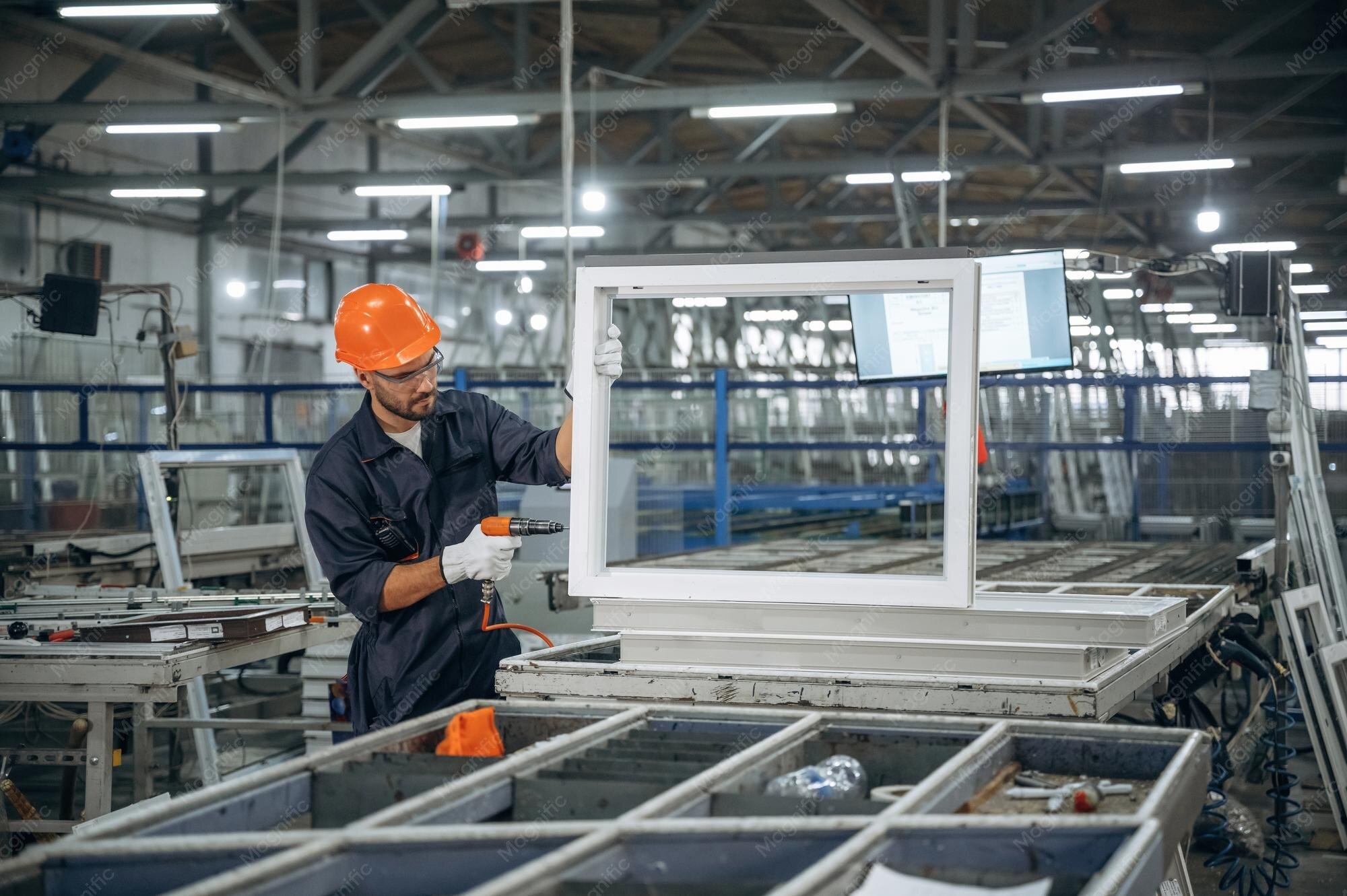
Window manufacturing still has technology development going on. Digital measurement, automated manufacturing, greater design tools and improved quality control are likely to increase in the coming years. Customers will also potentially experience more interconnected systems within site measurement, digital design and factory production in the future. This may help to narrow the difference between the specified and manufactured product. Manufacturers will not just be producing more windows; they will also be producing better windows. It will be a matter of how to make the correct windows more accurately, without waste and with more control over quality. To the customer, it can be more options without necessarily being more complex manufacturing.
Technology has changed much more than the appearance of modern UPVC windows. It has influenced their planning, measuring, cutting, joining, assembling, inspecting and delivering. With the advancement of modern technology, UPVC window manufacturers in Chennai gain greater control over precision, production efficiency, customisation, and quality management. These enhancements can also mean more uniform, simpler-to-use and more building-friendly windows for the customer. However, the machine is just part of the picture. Even the right materials, experienced professionals, careful manufacturing, reliable hardware and proper installation still count.
 About
AboutWelcome to our Perfect Window Systems, the well-known UPVC Window Manufacturers in Chennai. We are well known UPVC Door Manufacturers in Chennai. We specialise in manufacturing a wide range of UPVC doors and windows to elevate modern living spaces. We offer UPVC Sliding Door, UPVC Sliding Window, Tilt and Turn UPVC Window, UPVC Casement Window, Slide and Fold UPVC Door, UPVC Folding Sliding Door in Chennai.
Get in TouchGround Floor, UPVC Doors Windows, 22, Giri Rd, Satyamurthy Nagar, T. Nagar, Chennai, Tamil Nadu 600017
Copyright © 2026 | All rights reserved | Design and Developed by